
An invitation to explore, connect, and care for the places we share
June is Great Outdoors Month, a time to step outside and reconnect with the landscapes that shape our daily lives. Across the Delaware River Watershed, it is also a reminder that “the outdoors” is not somewhere distant. It is right here, embedded in our communities.
From forested headwaters to tidal marshes, from mountain streams to city shorelines, the watershed is a single connected system. Everything upstream is connected to what happens downstream, and everything we do on the land eventually meets the water.
Everyday access to the outdoors
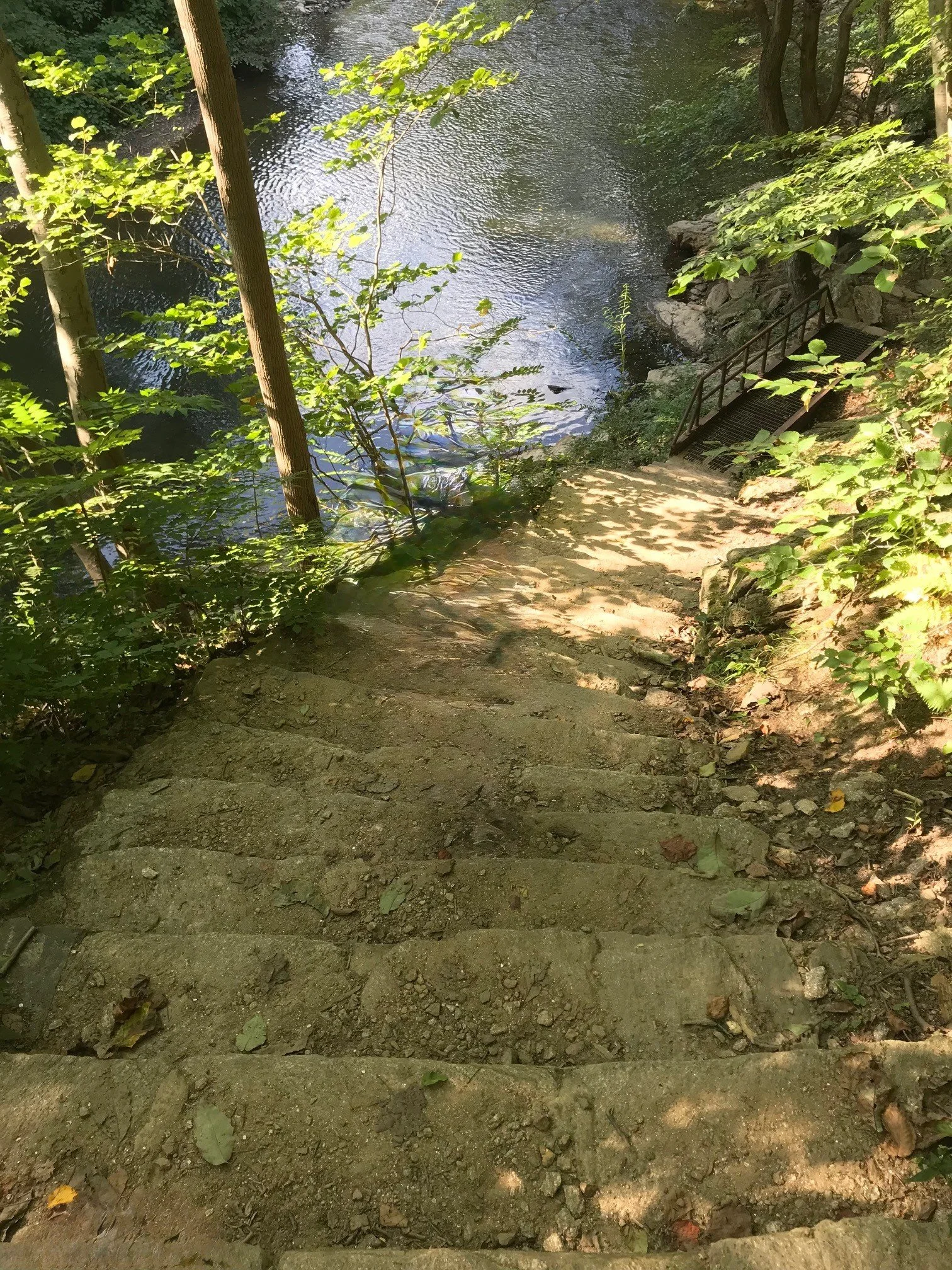
Walking trail in Wissahickon Valley Park - Photo credit Meagan Birkenmaier
Not every outdoor experience has to be a destination. In fact, much of what makes the Delaware River Watershed special is how often it shows up in daily life.
A neighborhood trail that follows an old stream corridor, a small park tucked between streets, or a riverside path that becomes part of a daily routine may all feel ordinary on their own, but together they form the foundation of a healthy watershed.
Time outside, even in small moments, supports both physical and mental well-being. It offers space to move, reset, and pay attention to the natural systems that continue working around us.
Watershed places that shape the region
Across the watershed, there are landscapes that define how water moves, how ecosystems function, and how people experience the outdoors.
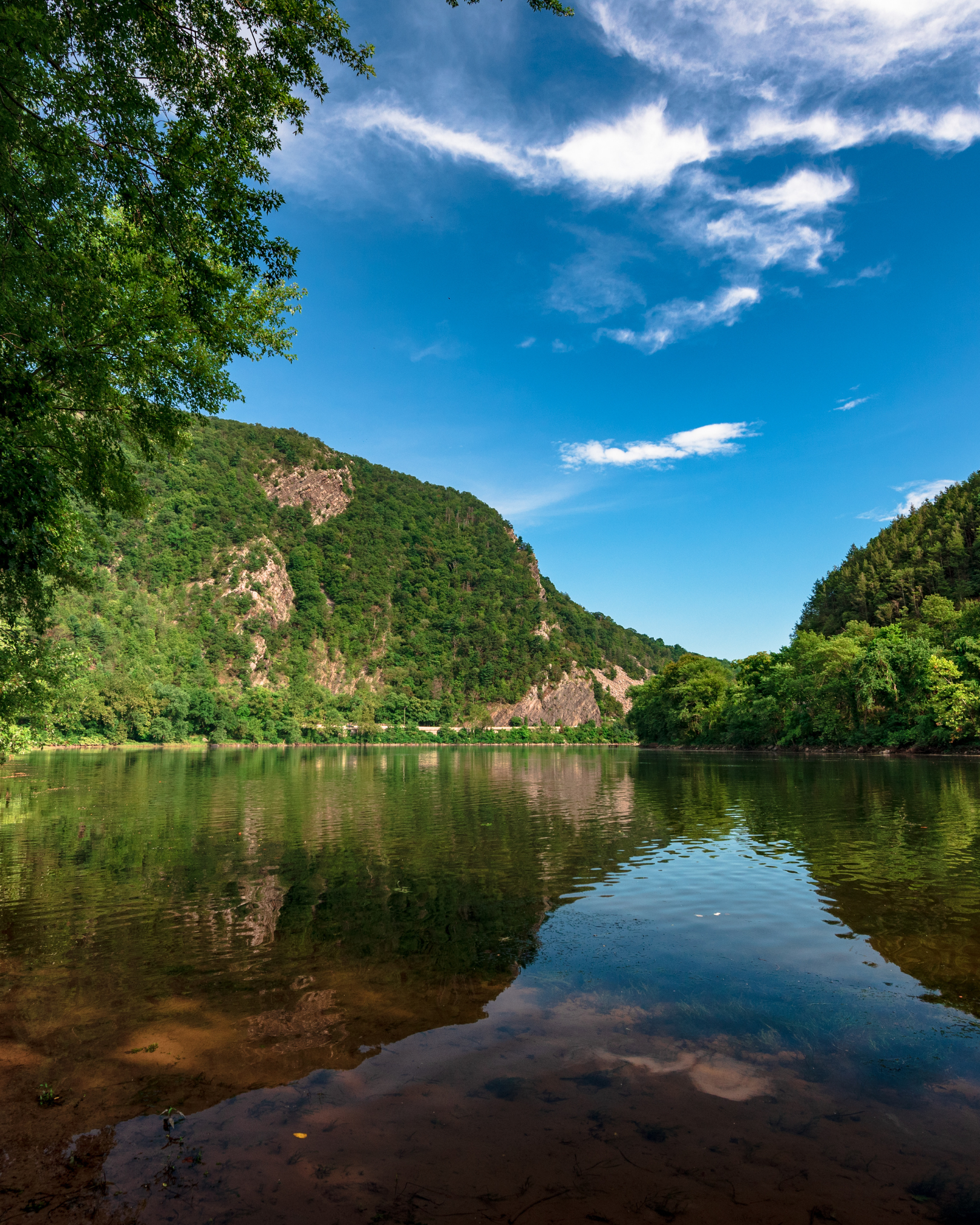
Delaware Water Gap
In New York, the Upper Delaware Scenic and Recreational River protects one of the most intact free-flowing stretches of the Delaware River. Forested valleys and coldwater habitat make it a cornerstone of the northern watershed.
Straddling Pennsylvania and New Jersey, the Delaware Water Gap National Recreation Area brings together river shoreline, steep ridges, and forested uplands. It is one of the most iconic landscapes in the entire basin and a major hub for recreation and habitat.
In Pennsylvania, John Heinz National Wildlife Refuge at Tinicum sits at the edge of the tidal Delaware River. Its freshwater marshes support migratory birds and wildlife while existing within a heavily developed region.
In Delaware, White Clay Creek State Park protects one of the most ecologically important stream systems in the watershed, connecting forest, wetland, and community landscapes.
At the southern end of the basin, the river broadens into its estuary, where freshwater and ocean influence meet. This transition zone supports ports, wildlife habitat, and shoreline communities, showing how deeply the watershed is tied to both ecology and economy.
Urban nature and everyday connection
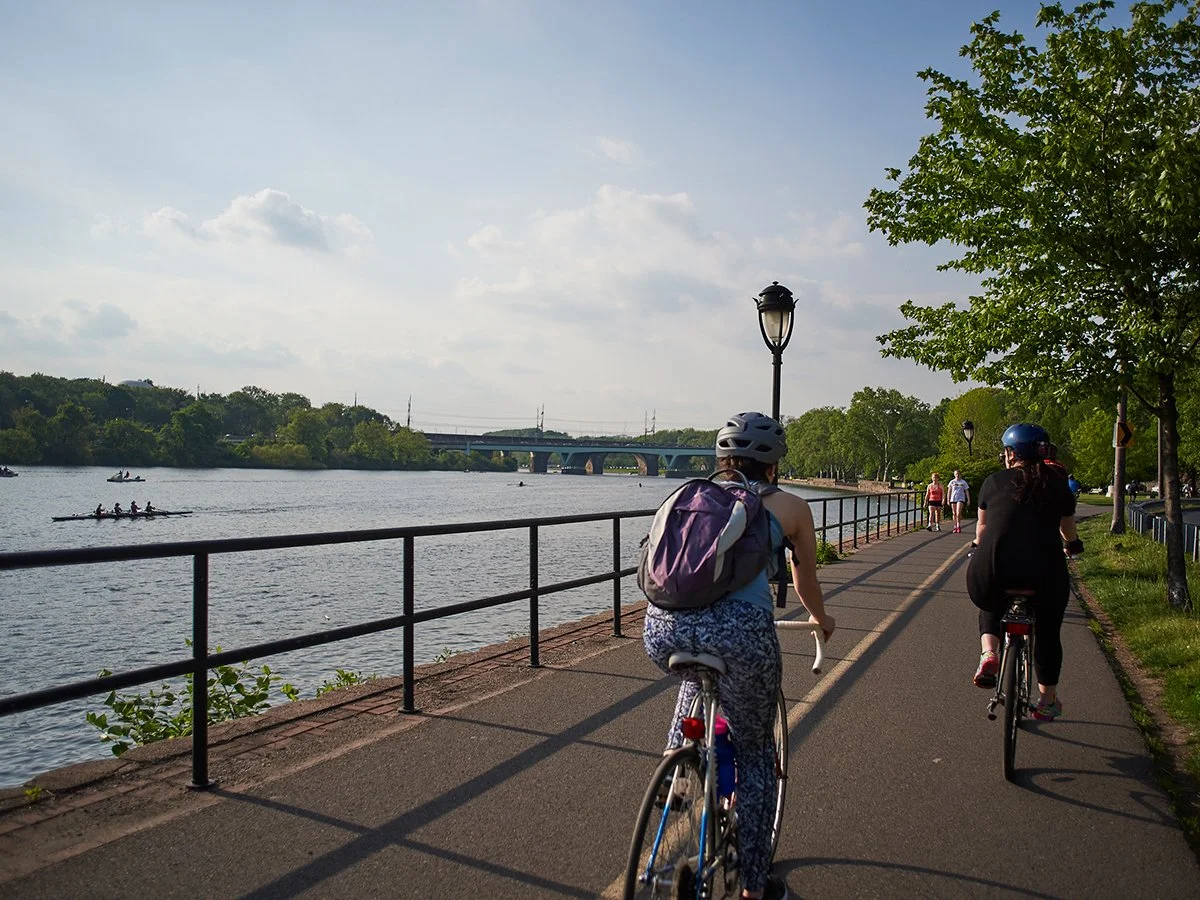
Schuylkill River Trail - Photo courtesy Fairmount Park Conservancy
Some of the most important watershed spaces are found in and near cities, where nature and daily life intersect.
Fairmount Park in Philadelphia spans miles of trails and green space along the Schuylkill River, supporting recreation, stormwater management, and habitat restoration in a dense urban environment.
These kinds of spaces show that access to nature does not depend on distance or remoteness. It depends on connection, design, and care.
Why Great Outdoors Month matters here
In the Delaware River Watershed, Great Outdoors Month is not just about recreation, it is about awareness.
Awareness that water connects everything, from forests that protect communities downstream to wetlands that filter and slow stormwater, and that every part of the landscape plays a role in the health of the whole system.
It is also about access. Everyone deserves the chance to experience the outdoors in ways that feel close, welcoming, and meaningful. Whether it is a large state park or a small neighborhood green space, every outdoor experience matters.
An invitation this June
This month, we invite you to step outside and experience the watershed in whatever way feels right for you. Spend time on a trail you already know or in a place you have never been, sit near water and watch the water move, and take time to explore the ecology and everyday spaces around you.